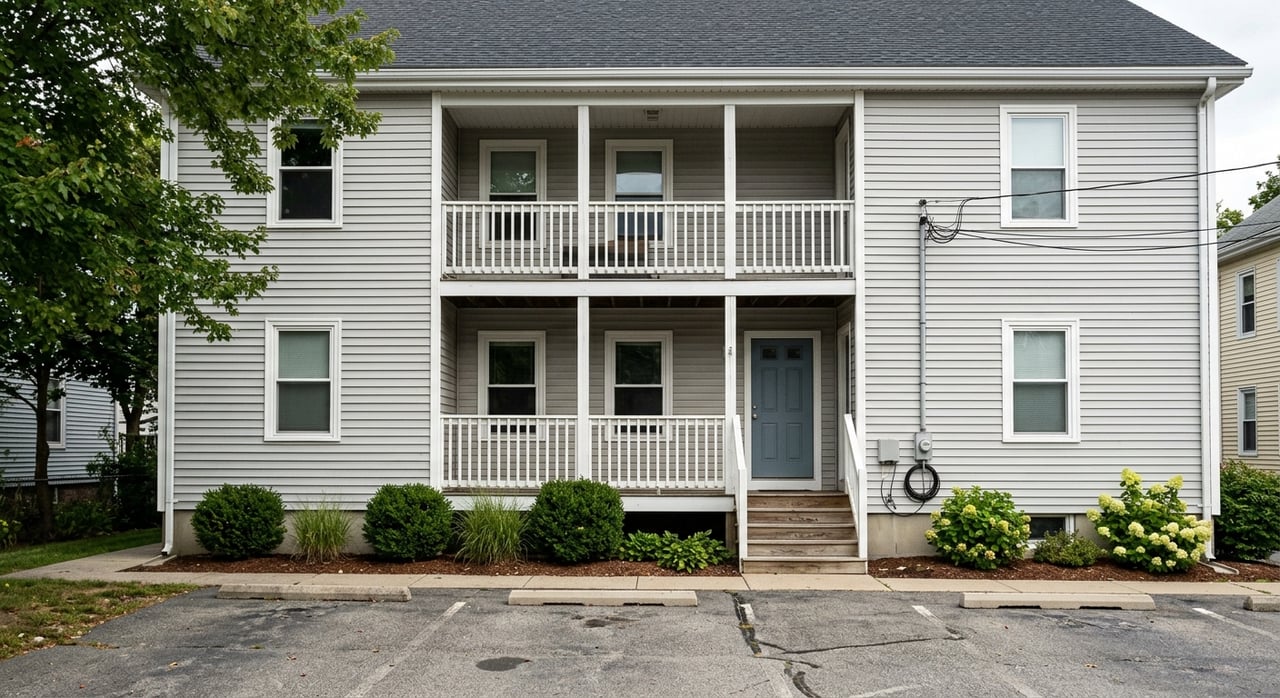
If you are thinking about buying a small multi-family in Providence, you are not looking at just one market. You are looking at a city with older housing, very different neighborhood price points, and several distinct investor strategies. That can feel exciting and overwhelming at the same time. The good news is that once you understand where small investors tend to focus and why, it gets much easier to narrow your search. Let’s dive in.
Why Providence draws small investors
Providence has long been a natural fit for small multi-family buyers. According to the city’s planning data, 50% of residential properties are 2-4 unit structures, and more than 80% of the housing stock was built before 1979. That creates a market with real volume in the small multi-family category, which is not something you find in every city.
It also creates a very specific kind of opportunity. The city notes that much of its modestly priced housing stock is multi-family and is often only accessible to buyers when rental income helps support the underwriting. For buyers who want to live in one unit, invest in a few doors, or build long-term wealth gradually, Providence offers a practical entry point.
At the same time, Providence is not a “set it and forget it” market. The city’s plans highlight deferred maintenance as a persistent issue, which matters a lot when you are buying an older property. In many cases, the better investment story is not flashy cosmetic updates. It is buying the right building, understanding the systems, and making smart improvements that support rentability and long-term hold value.
The three main investor lanes
A simple way to think about Providence is to break it into three investor lanes. Each lane can work, but each asks for a different budget, risk tolerance, and timeline.
West-side cash-flow and rehab plays
This lane usually includes Elmwood and Olneyville/Valley. Buyers often look here for a lower basis, more room for value-add work, and stronger cash-flow potential on paper.
The tradeoff is that these properties often need more diligence. Older roofs, plumbing, electrical systems, lead risk, and layout inefficiencies can all affect your budget and timeline. If you are exploring this lane, your edge comes from underwriting realistically, not optimistically.
Balanced, close-in neighborhoods
This group usually includes West End, Federal Hill, and Mount Hope. These neighborhoods often sit in the middle ground between deep-value plays and premium appreciation holds.
You may not get the lowest purchase price here, but you may find a more balanced mix of renter demand, location appeal, and renovation scope. For many small investors, this middle lane is where the search starts because it offers flexibility.
Appreciation and stability holds
Fox Point and Smith Hill often fit this lane. These areas tend to show stronger rents and a higher acquisition basis, which means the strategy leans more toward stable income and long-term value preservation than a wide cash-flow spread.
If your goal is a cleaner hold in a stronger-rent submarket, these neighborhoods may rise to the top. The numbers can still work, but the play is usually different from buying a heavily deferred-maintenance building in a lower-rent area and forcing upside.
Where investors often look first
West End and Armory District
West End is one of the most watched areas for small multi-family buyers because it sits in that attractive middle lane. It is Providence’s largest neighborhood, and current rent estimates are around $1,232 for a studio, $1,752 for a one-bedroom, and $1,948 for a two-bedroom.
For many investors, West End works because it combines central location, older housing stock, and the possibility of practical improvements. This is often where buyers look for buildings that may not need full gut rehab but can still benefit from unit refreshes, exterior cleanup, and better common-area presentation.
Why it gets attention
- Central location within the city
- Older housing stock with repositioning potential
- Rent levels that can support thoughtful updates
- A middle-ground option between deep value and premium pricing
Federal Hill and Broadway
Federal Hill tends to attract investors who want strong location fundamentals and are willing to accept a tighter yield profile. Current rent estimates are about $1,873 for a one-bedroom, $2,195 for a two-bedroom, and $2,444 for a three-bedroom.
Because of its downtown adjacency, walkability, and transit access, Federal Hill is often viewed as a stronger-demand submarket. Investors here are usually not chasing distressed bargains. More often, they are buying a solid building, improving the units, and aiming for a rent premium in a location that already has built-in appeal.
Best fit for this area
Federal Hill can make sense if you are looking for:
- Strong location near downtown
- Stable renter demand drivers
- A value-add plan based on upgrades, not major rescue work
- A longer-term hold with lower-yield but steadier positioning
Olneyville and Valley
Olneyville and Valley are classic value-add neighborhoods in Providence. Rent estimates in Olneyville are about $1,270 for a studio, $1,919 for a one-bedroom, and $2,149 for a two-bedroom. Valley estimates run around $1,922 for a one-bedroom, $2,332 for a two-bedroom, and $2,907 for a three-bedroom.
These neighborhoods often attract buyers who are comfortable with heavier diligence and more moving parts. If a building has older mechanicals, awkward layouts, or a larger renovation scope, that does not necessarily scare away investors here. In fact, that is often where they see the upside.
What to watch closely
In this part of Providence, it is especially important to review:
- Roof condition
- Plumbing and electrical systems
- Heating setup and age
- Lead risk
- Layout functionality by unit
- Realistic renovation budget versus projected rents
Elmwood and South Elmwood
Elmwood is often one of the first neighborhoods buyers consider when they want an entry-price or cash-flow-oriented play. Apartments.com notes triple-deckers and Victorian-style housing in the area, and current rent estimates are about $949 for a one-bedroom and $1,020 for a two-bedroom.
That lower rent profile can attract small investors who are focused on affordability at acquisition. But this is also where discipline matters. Lower purchase price does not always mean easier investment. In Providence, older multi-family properties can carry meaningful repair and compliance costs, so your diligence has to be sharp.
Why Elmwood appeals to investors
- Lower-rent profile compared with many core neighborhoods
- Common small multi-family housing types
- Potential entry point for buyers seeking lower basis
- Cash-flow focus for investors willing to do more work upfront
Smith Hill
Smith Hill is a different kind of investor play. Current rent estimates are about $2,626 for a one-bedroom and $3,301 for a two-bedroom, placing it among the higher-rent core city neighborhoods in the research.
For investors, that can mean stronger gross income and solid demand, but usually at a higher acquisition cost. The opportunity here is less about finding a bargain and more about owning in a submarket where premium rents may support a more stable long-term hold.
Mount Hope
Mount Hope often lands in the balanced category. It sits roughly three miles northeast of downtown and has access to downtown and nearby college areas. Current rent estimates are around $1,896 for a one-bedroom, $2,112 for a two-bedroom, and $2,231 for a three-bedroom.
This can be a useful neighborhood for buyers who want something between west-side value and East Side pricing. It is often less bargain-driven than Elmwood, but it may also be more approachable than some of the city’s highest-priced submarkets.
Fox Point and the East Side
Fox Point is one of Providence’s oldest neighborhoods and often appeals to investors looking for appreciation and stability more than deep cash flow. Current rent estimates are about $2,172 for a one-bedroom, $2,632 for a two-bedroom, and $2,908 for a three-bedroom.
This is the kind of area where buyers may accept a slimmer spread because they value the location and long-term holding power. Providence planning data also shows that appreciation has been broad across the city, with East Side prices remaining above the citywide average.
How to compare neighborhoods quickly
If you are just starting your search, this simple framework can help:
| Investor Goal | Providence Areas Often Considered |
|---|---|
| Lower basis and value-add upside | Elmwood, Olneyville, Valley |
| Balanced risk and location | West End, Federal Hill, Mount Hope |
| Stronger rents and stability | Smith Hill, Fox Point |
This is not a substitute for property-level analysis, but it is a smart first filter. In Providence, the neighborhood matters, but the building matters just as much.
What matters most in underwriting
Providence’s citywide estimated rent benchmark is about $2,116 for a one-bedroom and $2,618 for a two-bedroom. That helps frame which neighborhoods tend to read as more cash-flow oriented and which skew toward premium rents.
Still, neighborhood averages are only a starting point. The city’s older housing stock means your actual returns will often depend on systems, maintenance history, and unit layout more than on a headline rent figure. A pretty kitchen does not fix an old roof or outdated electrical service.
Focus on the practical details
When evaluating a small multi-family in Providence, pay close attention to:
- Age and condition of major systems
- Evidence of deferred maintenance
- Unit layouts and bedroom functionality
- Whether improvements are cosmetic or truly operational
- Rent assumptions compared with the building’s actual condition
- The total cost to bring the property to a durable standard
Why tenant demand stays important
Providence remains the state’s main service and employment center, according to city planning documents. Demand is also supported by college and hospital anchors, along with frequent bus service on corridors such as North Main, Broad, and Elmwood.
That does not mean every building performs the same way. It does mean Providence has several demand drivers that help explain why small multi-family investors keep watching the city closely. If you pair that demand with careful underwriting and realistic renovation planning, you can make smarter decisions about where to look.
The real takeaway for small investors
Small multi-family investors usually look in Providence based on strategy first, not just price. If you want a lower-basis, heavier-lift property, Elmwood and Olneyville/Valley tend to stand out. If you want a more balanced search, West End, Federal Hill, and Mount Hope are often in the mix. If you want stronger rents and a more stability-focused hold, Smith Hill and Fox Point are common targets.
The key is matching the neighborhood to your goals, your financing, and your tolerance for renovation risk. That is where local market knowledge and clear financial guidance make a real difference.
If you are weighing a multi-family purchase in Providence and want help pressure-testing the numbers, neighborhood by neighborhood, Alicia Cotter Reynolds can help you sort through the options with local insight and investor-friendly guidance.
FAQs
Where do small multi-family investors usually start in Providence?
- Many small investors start by choosing between three lanes: Elmwood and Olneyville/Valley for lower-basis value-add opportunities, West End, Federal Hill, and Mount Hope for a more balanced approach, or Smith Hill and Fox Point for stronger rents and long-term stability.
Which Providence neighborhoods are more cash-flow oriented for small investors?
- Based on current neighborhood rent patterns in the research, Elmwood, West End, and parts of Olneyville often read as more cash-flow oriented than higher-rent areas like Fox Point and Smith Hill.
Which Providence neighborhoods are more appreciation-focused for multi-family buyers?
- Fox Point and other East Side-adjacent areas often appeal more to buyers focused on appreciation and stability, while Smith Hill can also fit a stronger-rent, long-term hold strategy.
Why is due diligence so important when buying a Providence multi-family?
- Providence has an older housing stock, with more than 80% built before 1979, and city planning documents identify deferred maintenance as a persistent issue, so systems, roof, plumbing, electrical, lead risk, and layout all deserve close review.
Is West End a good area to watch for Providence investors?
- West End often gets attention because it offers a central location, older housing stock, and a middle-ground profile where thoughtful updates and improved presentation may support solid rental performance.
What makes Federal Hill different for Providence multi-family investing?
- Federal Hill is often seen as a stronger-demand, lower-yield submarket where investors focus more on buying solid buildings and capturing rent premiums through unit improvements rather than chasing distressed bargains.