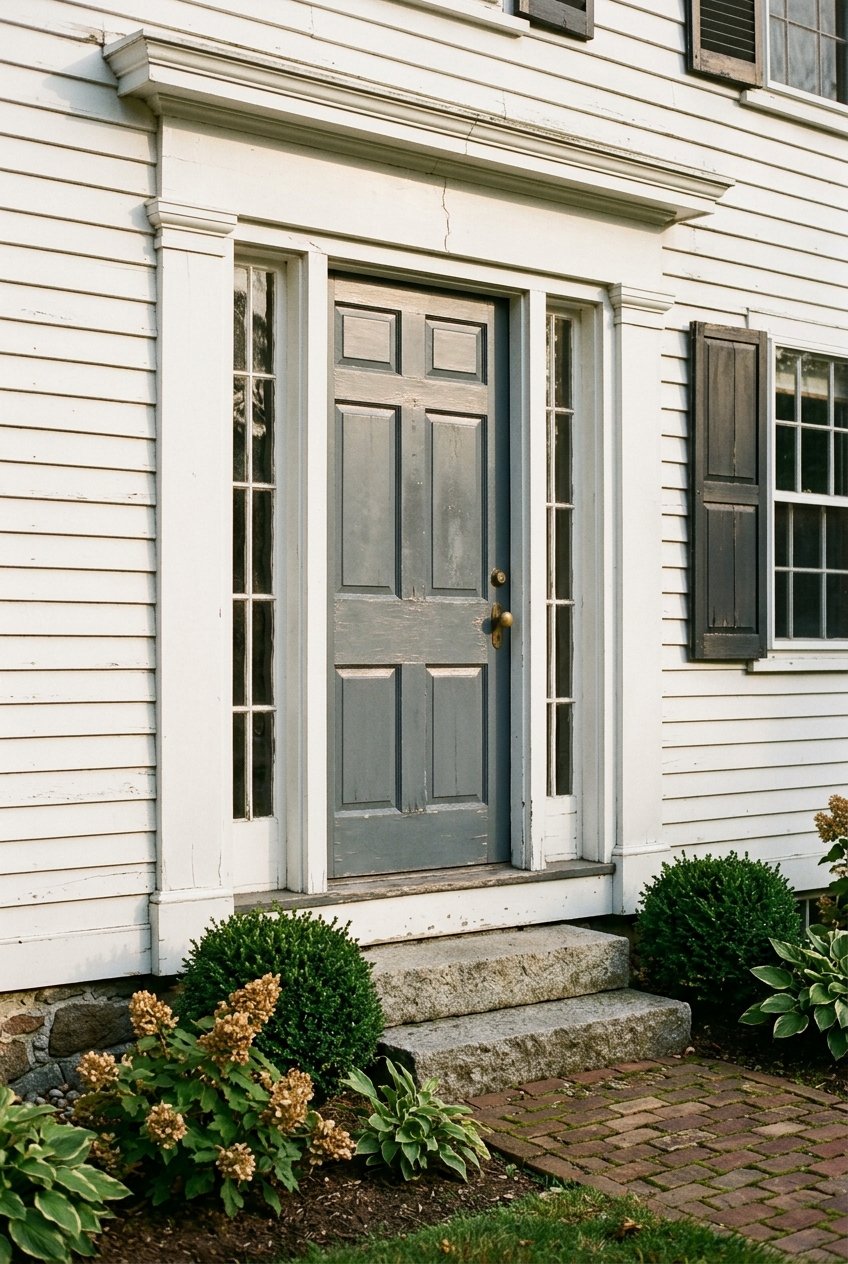
Thinking about buying a historic home in Bristol? It can be an exciting mix of charm, character, and responsibility. If you love original details and the feel of an older coastal New England town, Bristol offers plenty to admire, but ownership comes with rules, upkeep, and a few costs that are easy to miss at first. This guide will help you understand what daily life and decision-making can look like when you own a historic home in Bristol. Let’s dive in.
Bristol Has Deep Historic Character
Bristol stands out for the sheer number of older buildings packed into a relatively small town center. Rhode Island’s preservation office describes more than 1,000 historic buildings in the town center, and the local historic-district system includes 619 properties under Historic District Commission jurisdiction, plus 35 individually designated structures.
That matters because owning a historic home in Bristol is not just about one house. You are often buying into a larger setting where architecture, streetscape, and waterfront history all shape the experience of ownership.
Most of Bristol’s existing building stock dates from about 1825 to 1920. So while some buyers picture only colonial-era homes, many historic properties here are actually late 19th-century and early 20th-century houses with their own styles, layouts, and maintenance needs.
What Historic Homes Often Feel Like
The style of the home can shape how it lives day to day. In Bristol, that means your floor plan, room flow, and even natural light may feel very different from a newer home.
Federal and Georgian Homes
Federal-era houses often feel formal, balanced, and orderly. They typically feature symmetrical layouts and traditional center-hall plans, which can create clearly defined rooms rather than open living spaces.
If you like structure and classic proportion, this style may feel timeless. If you want a modern, wide-open layout, you may find the floor plan more segmented than expected.
Greek Revival Homes
Greek Revival is one of Bristol’s signature styles. These homes often have a boxy shape, a gable facing the street, and side-hall or three-bay layouts that can feel narrower and more front-oriented.
Inside, that often means rooms unfold in a more linear way. These homes can feel elegant and distinctive, but not always naturally open-plan.
Italianate and Second Empire Homes
Italianate homes usually bring more decorative detail and a less rigid layout. In Bristol, some homes blend earlier Greek Revival forms with Italianate brackets and trim, while Second Empire homes add the recognizable mansard roof.
These houses can feel a little less formal inside than earlier styles. If you want historic character with a bit more visual variety, these may be especially appealing.
Queen Anne, Shingle, and Colonial Revival Homes
Late-19th- and early-20th-century homes add even more range. Queen Anne houses are often asymmetrical and may have a more open interior arrangement around a central stair, while Colonial Revival homes tend to return to a more formal, symmetrical look.
On one Bristol street, you may see ornate detailing next to more restrained revival architecture. That variety is part of what makes the town feel layered and visually interesting.
Exterior Changes Usually Need Review
One of the biggest realities of owning a historic home in Bristol is the local review process. The Bristol Historic District Commission reviews exterior work in the local district, including repairs, alterations, new construction, demolition, and moving structures, and owners need a Certificate of Appropriateness before work begins.
For many buyers, this is the clearest difference between owning a historic home and owning a typical older house outside a district. Interior work is generally not reviewed, but visible exterior changes usually are.
That does not mean every project becomes a major obstacle. The town says many minor projects can go through administrative review, which can make simpler exterior work more manageable.
Bristol Favors Repair Over Replacement
If you own a historic home here, the general approach is to preserve original materials when possible. Bristol’s guidance says original window sashes should generally be repaired and retained, and replacement windows should match the historic sash in size, operation, materials, configuration, number of lights, and detail.
That same repair-first mindset shows up in other areas too. Sandblasting will not be approved, and vinyl or aluminum siding is not considered appropriate for historic buildings.
For you as a homeowner, that means upkeep is often less about quick cosmetic swaps and more about thoughtful preservation. You may need to plan projects with more care, more documentation, and sometimes more specialized labor.
Interior Updates Are Usually More Flexible
The good news for many buyers is that interior work is generally not reviewed by the Historic District Commission. So if you want to update a kitchen, rework a bathroom, or improve daily function inside the house, you usually have more flexibility there than you do on the exterior.
Still, the age of the home matters. Older houses can hide deferred maintenance, outdated systems, and layout quirks, so interior updates should be approached with a realistic budget and a clear plan.
Lead-Safe Renovation Matters
Many Bristol historic homes were built long before 1978, which means lead-based paint may be present. Renovation work like sanding, cutting, and window replacement can create hazardous lead dust and chips.
That is why lead-safe work practices matter so much in older homes. Rhode Island’s preservation office notes that historic buildings can be made lead safe without tearing out historic features, which is encouraging if you want to preserve character while improving safety.
When you are budgeting for repairs, it is smart to treat lead-safe renovation as part of the project from the start. It is not just a side issue.
Waterfront Ownership Adds Another Layer
Bristol’s historic appeal is closely tied to the waterfront, but coastal location comes with added planning. The town says periodic flooding in the waterfront district is increasing, and it is studying vulnerability tied to climate change and potential sea-level rise.
If you are buying near the water or downtown, flood risk should be part of your home search from day one. This is especially important because a home in a designated Special Flood Hazard Area will generally require flood insurance if you are using a mortgage, and standard homeowners insurance does not cover floods.
In practical terms, that means you should review flood-zone status, insurance costs, and long-term maintenance exposure before you fall in love with the view. In Bristol, coastal historic ownership can be beautiful, but it works best when you go in with clear eyes.
Historic Status Does Not Equal Easy Tax Credits
This is one area where buyers often make assumptions. A home being old, charming, or even historically significant does not automatically mean you will qualify for tax credits.
In Rhode Island, National Register listing is largely honorary unless a project involves federal or state funding, permits, or licenses. More importantly for most homebuyers, the federal 20% historic rehabilitation credit is for income-producing properties, and owner-occupied residential properties do not qualify.
Rhode Island’s state historic tax credit is similar. It requires a certified historic structure and income-producing use, and it does not apply to private one- and two-family residences.
There are narrower tools available, such as the Rhode Island Historical Preservation Loan Fund for qualifying restoration work on properties listed on the State Register of Historic Places. But these options are limited and project-specific, not a substitute for a normal home financing plan.
What the Tradeoff Really Looks Like
Owning a historic home in Bristol often means choosing character over convenience in a few key areas. You may get beautiful original details, a strong sense of place, and a home that feels connected to Bristol’s waterfront and town-center history.
In exchange, you are more likely to deal with review steps for exterior work, repair-first standards, possible lead-related renovation costs, and flood planning if the property is near the water. For many buyers, that tradeoff is worth it, but it helps to know what you are saying yes to.
How To Buy Smarter in Bristol
If you are considering a historic home in Bristol, a little extra preparation can go a long way. Focus on the practical side as much as the charm.
Questions To Ask Early
- Is the property under Historic District Commission jurisdiction?
- What exterior work has already been done, and was it approved?
- Are original windows, siding, and trim still in place?
- Is the home in or near an area with higher flood risk?
- What repair or renovation projects may require lead-safe practices?
- Are you buying a house that contributes to a historic district, or just sits within one?
Budget Items To Keep in Mind
- Exterior repair and preservation work
- Possible specialty contractors for older materials
- Lead-safe renovation costs
- Flood insurance, if applicable
- Ongoing maintenance of original features
A historic home purchase often rewards buyers who plan carefully, ask detailed questions, and understand the difference between cosmetic updates and preservation-minded ownership.
If you want help weighing the lifestyle, maintenance, and financing side of an older home purchase in the East Bay, Alicia Cotter Reynolds can help you look at the numbers and the practical tradeoffs with clarity.
FAQs
What is it like to live in a historic home in Bristol, RI?
- You can expect strong architectural character and a real sense of place, along with added responsibility for maintenance, exterior review, and preservation-minded repairs.
Do exterior changes on historic homes in Bristol, RI need approval?
- Yes. In Bristol’s local historic district, exterior repairs, alterations, new construction, demolition, and moving structures require a Certificate of Appropriateness before work begins.
Can you modernize the inside of a historic home in Bristol, RI?
- Yes. Interior work is generally not reviewed by the local Historic District Commission, so interior updates are usually more flexible than exterior changes.
Do historic homes in Bristol, RI qualify for tax credits?
- Not automatically. Owner-occupied private one- and two-family residences do not qualify for the federal 20% historic rehabilitation credit or Rhode Island’s similar state credit.
Should Bristol, RI waterfront historic-home buyers worry about flood insurance?
- Waterfront buyers should take flood risk seriously because periodic flooding in Bristol’s waterfront district is increasing, and homes in designated flood-hazard areas generally require flood insurance when financed with a mortgage.
Are older Bristol, RI homes more likely to have lead-based paint?
- Yes. Homes built before 1978 are more likely to contain lead-based paint, so renovation work should be planned with lead-safe practices in mind.