A few miles of shoreline in Westerly, Rhode Island sit under the same town seal and the same tax assessor, and this year they picked up the same nickname: the "Taylor Swift Tax." The singer owns a waterfront estate in Watch Hill that Kiplinger reports is valued around $17 million. Under the Rhode Island Division of Taxation's new Non-Owner-Occupied Property Tax, which took effect July 1, 2026, a home assessed at that level that isn't occupied 183 days a year would owe roughly $80,000 annually on the portion above $1 million, based on the law's $2.50-per-$500 rate. The exact bill depends on the town's official assessment rather than the home's reported value, but the order of magnitude is real.
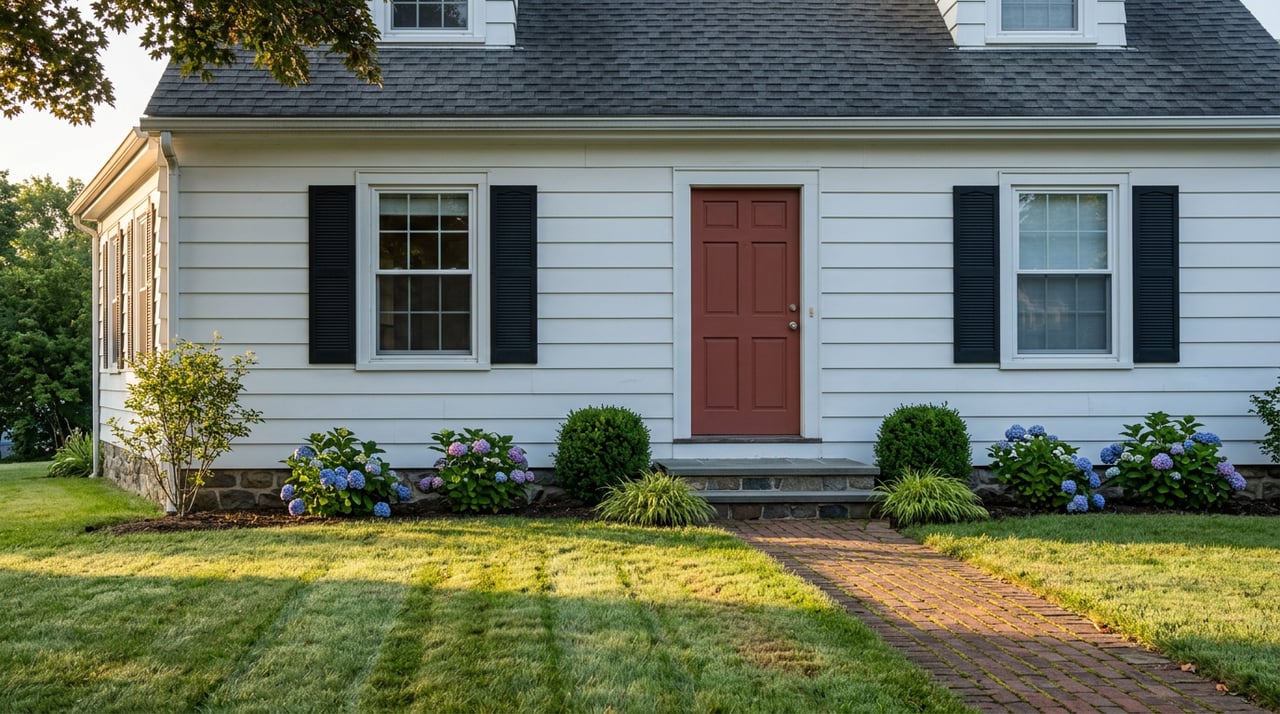
Most people shopping in Westerly this summer aren't thinking about eight-figure estates. They're looking at a ranch near Dunn's Corners or a Cape within walking distance of downtown, priced closer to $500,000 than $17 million. But the new law says something useful about the town those buyers are entering, because Westerly's median home price has never described one market. It describes two, and the new tax is pulling them further apart.
The Number That Changes Depending On Who You Ask
Check two listing services for "the" price of a Westerly home this summer and the answers won't be close. As of June 2026, the median list price for single-family homes on the market was $649,900, while the average across those same listings was $991,831, a gap of more than 50 percent. Two months later, a different portal put Westerly's median list price closer to $1.1 million, with homes spending a median of just 26 days on the market in August 2026, down 23 percent from a year earlier.
None of these numbers are wrong. They're measuring different slices of the same lopsided inventory. Active listings in Westerly this summer ranged from $535,000 to $23,500,000, and a handful of estates at the top of that range can swing a town-wide average by hundreds of thousands of dollars without a single ordinary buyer noticing. A median resists that kind of distortion better than an average does, which is why the two figures pull apart so sharply here and stay close together in towns where the housing stock looks more alike from block to block.
Two Westerlys
The reason the math misbehaves is geographic. Downtown, where Canal Street and High Street hold a walkable run of small businesses including Martin House Books, Grey Sail Brewing & South County Distillers, and Perks & Corks, the housing stock looks like most of New England: modest lots, financed purchases, owners who live there full time. Head toward the water and the inventory changes character entirely. Watch Hill, Misquamicut, and the Avondale section along the Pawcatuck River carry the private docks and the seven-figure assessments, with dozens of homes listed in the Watch Hill enclave alone this summer ranging from under $1.5 million to more than $12 million.
Coverage of the new tax has cited 2022 data putting the share of Westerly's housing stock used only seasonally at around 70 percent, well above the statewide average. That single figure explains most of what the price data shows.
| Downtown / Inland | Coastal (Watch Hill, Misquamicut, Avondale) | |
|---|---|---|
| Typical assessed value | Well under $1 million | Frequently above $1 million |
| Buyer profile | Primary residence, conventional financing | Often a second or seasonal home, frequently cash |
| Pace | Single-family homes averaged 45 days on market in June 2026 | Higher-end listings tend to sit longer |
| Subject to new tax | No | Only above the $1 million threshold, if unoccupied |
What The Tax Actually Requires
The rule that took effect July 1, 2026 applies to any residential property assessed above $1 million that isn't the owner's primary residence and isn't occupied by the owner or a qualifying tenant for at least 183 days during the tax year. The surcharge falls only on the portion of assessed value above that $1 million line, at $2.50 for every $500, so a home assessed at $3 million owes roughly $10,000 a year on top of its regular property tax bill. The threshold uses the municipal assessed value as of December 31, 2024 for this first tax year, not what a buyer actually paid, and it starts adjusting for inflation in the 2027 tax year.
According to the Rhode Island Division of Taxation, the bill comes due in four installments, on September 15, December 15, March 15, and June 15, with the option to pay the full amount by that first date. The state has already sent occupancy questionnaires to more than 9,000 property owners, and Rhode Island Association of Realtors guidance is clear that an exemption requires either the owner living there 183 days or a lease compliant with the state's Residential Landlord and Tenant Act for that same stretch. Listing a property for rent doesn't satisfy the requirement on its own. It has to actually be occupied.
Why That Matters More In Watch Hill Than Downtown
None of this touches the $500,000 Cape near downtown or the ranch off Dunn's Corners, since those assessments sit well under the $1 million line. The tax was written for the other Westerly, the one where Atlantic Avenue and Avondale estates routinely clear seven figures and sit empty most of the year.
For a buyer eyeing a coastal property in that range, the calculation changes in a way it didn't twelve months ago. A $2.5 million home in Misquamicut that used to carry only its mortgage, insurance, and standard property tax now comes with a decision: occupy it more than half the year, rent it under a compliant lease for that long, or accept a surcharge that could run several thousand dollars annually depending on the assessment. The tax planning firm PKF has also flagged a wrinkle for out-of-state owners, since documenting 183 days of occupancy to avoid the property tax can create the same evidence Rhode Island uses to determine income tax residency, which is a separate and potentially larger cost.
For a buyer looking inland or downtown, the tax changes nothing directly, but it may change the competition. If enough seasonal owners in Watch Hill or Avondale decide the surcharge isn't worth carrying and either occupy their homes more or list them, that coastal inventory could start moving differently than it has in past summers. About six weeks into the law, it's too early to know which way owners will lean, but the incentive now points toward one of two outcomes: more occupied homes along the coast, or more coastal homes for sale.
What This Means If You're Looking At Westerly Right Now
If your search is inland or downtown, the new tax is background noise. Your comparable sales, your days-on-market expectations, and your financing conversation look the same as they did last summer.
If your search includes Watch Hill, Misquamicut, or Avondale, the assessed value on the listing sheet is now doing double duty. It's the number the town uses for regular property tax purposes, and it's also the number that determines whether you're buying a straightforward vacation home or signing up for an annual surcharge on top of everything else. It's worth checking that assessed value against the $1 million threshold before getting attached to a specific property, not just the asking price.
Either way, the lesson from this summer's numbers holds. A single median or average for the whole town tells you almost nothing about what you'll actually pay, because there isn't one Westerly market to describe.
A Few Questions Worth Asking Before You Write An Offer
Does this tax apply to a $650,000 home near downtown Westerly? No. The surcharge only applies to the portion of a property's assessed value above $1 million, so homes assessed below that threshold aren't affected regardless of how the owner uses them.
If I rent my Westerly property for part of the summer, does that count toward the 183-day exemption? Only if the total time a paying tenant occupies the home under a lease that qualifies under the Residential Landlord and Tenant Act reaches 183 days or more in the tax year. A few summer weeks won't clear that bar on their own.
If I buy a coastal property partway through the year, should I confirm who is responsible for the tax? Yes. Confirm directly with the seller and a tax professional before closing on anything assessed near or above $1 million.
Buying in Westerly right now means figuring out which of its two markets you're actually shopping in, and what that decision costs beyond the purchase price. If you want a clearer read on how a specific street or neighborhood stacks up before you make an offer, Alicia Reynolds can walk through the comparables and the financing details with you. Let's Connect.
This article is general information, not legal, tax or financial advice. Consult a qualified professional about your situation.