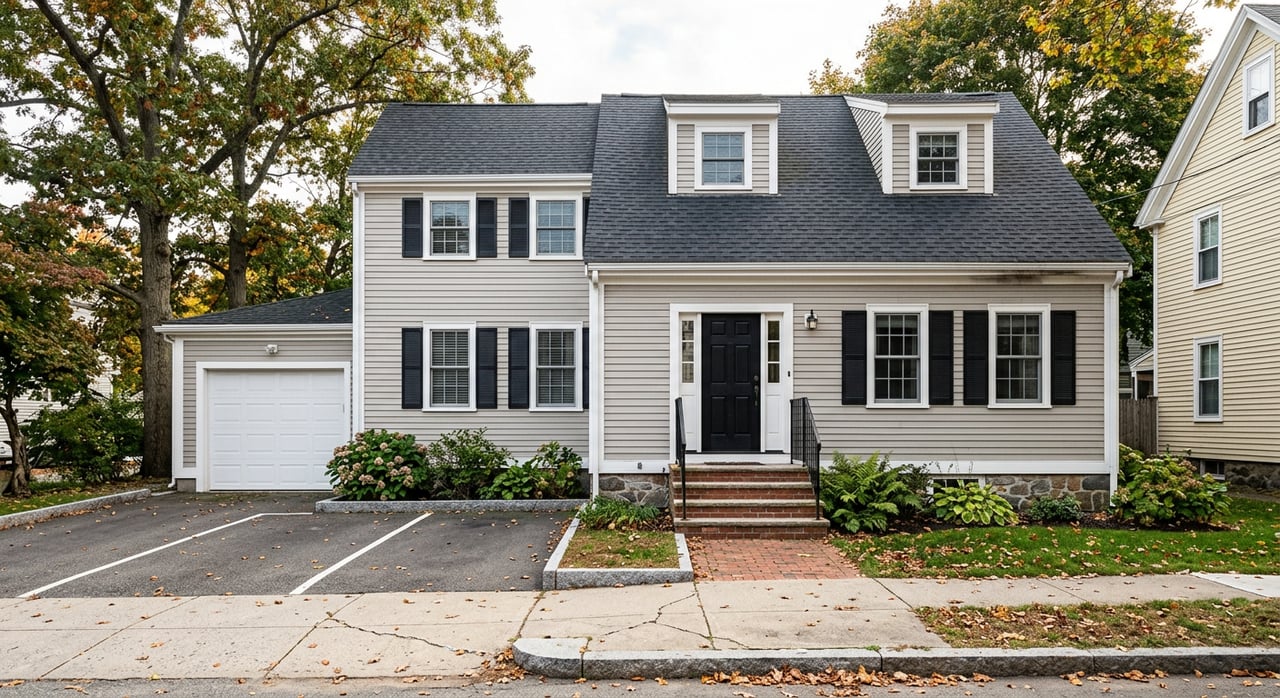
Choosing between a condo and a single-family home in Providence can feel like two very different paths. Maybe you want walkability and low maintenance. Or you’re picturing a driveway, a small yard, and more control. Both can be smart moves here, but the right choice depends on your budget, lifestyle, and long-term plans. In this guide, you’ll learn how to compare true monthly costs, what to know about Providence taxes and parking, and how neighborhoods match different priorities. Let’s dive in.
Providence price reality, in context
You’ll see different “median price” numbers for Providence depending on the data source and date. Recent reports show a wide range because each vendor tracks a different metric. For example, one recent report showed a citywide median sale price near $580,000, while another index showed about $418,040 using a different model. The takeaway is simple: use up-to-date, source-labeled numbers for your target neighborhood and property type when you’re ready to shop.
What drives your monthly cost
When you compare a condo to a house, line up the same cost categories side by side. This gives you a true monthly picture you can trust.
Mortgage principal and interest
Use a current 30-year benchmark rate for your estimates. The Freddie Mac Primary Mortgage Market Survey showed averages near 6.0% in early 2026, but rates change often. Check the latest weekly average before you run numbers so your budget is realistic. You can verify current trends using the Freddie Mac rate tracker at the time you plan to buy. See Freddie Mac’s PMMS.
Property taxes in Providence
Providence uses class-based tax rates, adopted in the FY26 city budget. Your annual tax is generally calculated as assessed value divided by 1,000, then multiplied by your applicable class rate. The FY26 agreement lists the class rates, including an owner-occupied single-family example shown as 8.40. Always confirm your assessed value, tax class, and any homestead or exemption details with the City Assessor. Review the FY26 tax-class structure.
Example only: If a home is assessed at $500,000 and qualifies for the owner-occupied single-family class, a rough estimate would be $500,000 ÷ 1,000 × 8.40 = $4,200 per year, or about $350 per month. Your actual bill may differ based on classification, assessment, and any exemptions.
HOA and condo fees
Most Providence condos carry a monthly association fee. Many local listings fall in the $200 to $600 per month range, depending on the building and services offered. National reporting has shown HOA fees trending higher in recent years, so build in room for changes over time. Typical inclusions can be building insurance, landscaping, snow removal, trash, common-area maintenance, and sometimes water, sewer, or heat. Ask for a full breakdown and review the building’s budget and reserves to gauge the risk of special assessments.
Insurance differences
Condo owners usually carry HO-6 insurance for interior finishes and personal property because the building’s master policy covers the structure and common areas. Homeowners carry a full dwelling policy. In many states, condo insurance averages are lower than single-family home insurance because the master policy shares big-ticket risks. The right choice and cost depend on the master policy type. Some are “bare-walls,” while others are “walls-in” or “all-in.” Confirm exactly where association coverage ends so your policy fills the gap. Learn how coverage lines are drawn in typical condo policies at Compare.com’s guide.
Utilities and services
Condos sometimes bundle water, sewer, or even heat into the monthly fee. Single-family homes usually carry all utilities directly. If a condo includes several services, a higher HOA fee can still pencil out compared to a house in your monthly total. Ask for recent utility averages from the seller when you can, and verify what is included vs what is metered to your unit.
Maintenance and reserves
With a house, you are responsible for exterior maintenance, roofs, driveways, and yard care. A common rule of thumb is to budget about 1% of home value per year for maintenance and repairs, with older or larger homes requiring more. In a condo, the association handles exterior and shared systems using pooled reserves, but you still handle in-unit items and share the risk of special assessments if reserves are thin. Read more about planning for maintenance using the 1% rule at SuperMoney’s overview.
Quick monthly worksheet
Use this five-line worksheet to compare any condo to any house:
- Purchase price and down payment
- Mortgage principal and interest (use the latest Freddie Mac PMMS rate)
- Estimated property tax (assessed value ÷ 1,000 × class rate)
- Insurance (HO-6 for condos vs homeowners for houses)
- HOA or maintenance reserve (1% rule spread monthly), plus estimated utilities
Lifestyle tradeoffs that matter in Providence
Walkability and transit
If you prefer a car-light lifestyle, focus on areas near downtown, the East Side, or close to RIPTA routes and Providence Station. RIPTA’s one-way cash fare is $2, with Wave smart card options for day and monthly passes. MBTA commuter rail and Amtrak serve Providence Station, and connections to T.F. Green and Wickford Junction widen regional job access. These features often tilt the scale toward condos for buyers who value convenience. Check fare details at RIPTA’s fares page.
Parking and overnight rules
On many city streets, overnight parking is restricted between 2:00 AM and 5:00 AM without a permit. If a condo or house does not include off-street parking, you may need a resident permit or guest passes. Always confirm deeded or assigned spaces in writing for condos, and review the City’s program for the latest rules. Learn more about on-street permits and guest options at the City of Providence Overnight Parking Program.
Neighborhood snapshots
Every buyer’s match is different, so think through these quick profiles:
- Downtown and Jewelry District: Primarily condos and higher-density living, close to restaurants and offices. Great if you want short commutes and easy nights out.
- Fox Point and the East Side: Historic, walkable streets near universities and local shops. Often pricier, with both condos and single-family options.
- Federal Hill and the West End: Active dining scenes and many condo conversions and multi-family buildings. Convenient for short city commutes.
- Olneyville, Silver Lake, and parts of the West Side: More affordable options and older buildings. May require more renovation and maintenance planning.
Keep neighborhood language neutral and choose based on your personal needs and budget. If parking or commute time is a top priority, elevate those checks in your search.
Three simple decision frameworks
Framework A: Budget first
- Set a maximum monthly housing expense that includes mortgage, taxes, insurance, HOA, utilities, and a maintenance reserve.
- Price both a condo and a house using the same worksheet. Use a current rate from Freddie Mac PMMS.
- If a condo fee replaces multiple services and still fits your target, the condo may win. If the fee strains your cap, lean house.
- Check the HOA’s reserve health and any special assessment history to avoid surprises.
Framework B: Lifestyle first
- Prioritize walkability, short commute, and low maintenance outside your doors.
- Focus on downtown and East Side condos or small townhouses. Confirm parking and guest pass options for visitors.
- If you have a car, compare a unit with deeded parking to nearby buildings that rely on permits.
Framework C: Flexibility and resale
- If you want yard space, privacy, or long-term project potential, a single-family home can offer more control.
- For downsizers, seek small single-family homes or ground-floor condos with garage access.
- Budget for capital replacements in the next 5 to 10 years and consider how that affects future resale.
Due diligence checklist
- Get current, building- or block-level comps and date them. Vendor medians differ, so use hyper-local data when you make offers.
- Build a complete monthly cost worksheet: mortgage at a current Freddie Mac PMMS rate, estimated taxes by class, insurance quote, HOA fee or house maintenance reserve, plus utilities.
- For condos, request association financials, reserve study, meeting minutes for the last 12 to 24 months, and the insurance declarations page to confirm master policy type and deductible. See what to look for in condo insurance and policy boundaries at Reviews.com’s guide.
- Confirm parking rights in writing, including deeded spaces, guest passes, and how the building manages spots. Cross-check on-street rules at the City parking program.
- Plan inspections. For houses, get a full inspection and add sewer, lead, or termite testing as needed. For condos, inspect the unit and ask for notes on recent roof or common-area repairs.
- Verify your tax classification with the City Assessor and read the FY26 class-based rate structure here: Providence City Council FY26 budget release.
Putting it all together
If you want low maintenance, a central location, and potentially lower insurance costs, a condo may be your match. If you value privacy, outdoor space, and long-term flexibility, a single-family home can be worth the added upkeep. In Providence, also weigh two local factors early: property tax class and parking. These can shift your monthly total and your daily experience more than you might expect.
A clear, apples-to-apples worksheet will show you the right fit. If you want a second set of eyes on your budget and neighborhood options, reach out. With local market knowledge and mortgage fluency, I can help you choose with confidence. Ready to talk through your plan? Connect with Alicia Cotter Reynolds today.
FAQs
How do I compare a condo and a house monthly payment in Providence?
- List mortgage, property tax, insurance, HOA or a house maintenance reserve, and utilities on both options, then use the latest Freddie Mac PMMS rate to estimate principal and interest.
What are typical condo HOA fees in Providence?
- Many local listings show monthly fees between $200 and $600, depending on building size, amenities, and included utilities; always verify what the fee covers and check reserve health.
How do Providence property taxes work for homeowners?
- Providence uses class-based rates; estimate by dividing assessed value by 1,000 and multiplying by your class rate, then confirm details with the City Assessor and review FY26 rates here.
Is parking a challenge for condo buyers in Providence?
- Some buildings include deeded spaces, others rely on the City’s overnight permit program; confirm assigned parking in writing and review rules at the City parking program.
Does condo (HO-6) insurance cover everything inside my unit?
- It depends on the building’s master policy; confirm whether the master policy is bare-walls, walls-in, or all-in, then tailor your HO-6 coverage to fill any gaps using guides like Compare.com’s overview.